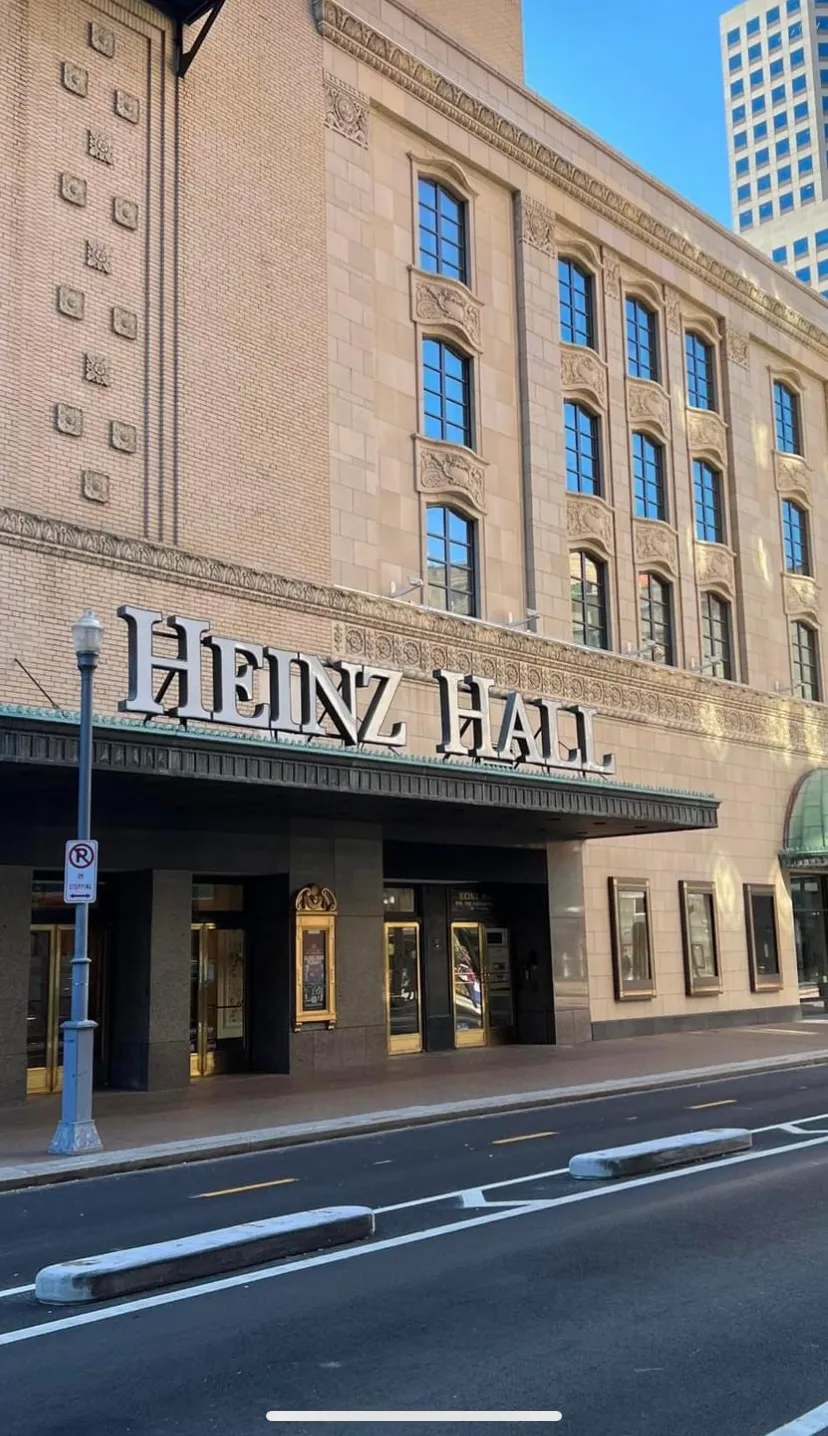
Terra cotta was widely used on Pittsburgh's early 20th century commercial buildings, churches, and institutional structures for its decorative versatility and fire resistance. But over time, moisture infiltration, freeze-thaw damage, corroding internal anchors, and glaze failure can cause serious deterioration. Our Pittsburgh terra cotta restoration services address these issues with preservation-focused techniques that respect the original material and design.
Common Terra Cotta Problems
- Cracking or fracturing of the terra cotta body
- Glaze failure and surface spalling
- Internal anchor corrosion causing unit displacement
- Water infiltration through failed joints and cracks
- Previous inappropriate repairs (hard cement patches, mismatched coatings)
- Loss of decorative detail from erosion or damage
Our Terra Cotta Restoration Services
What We Provide
- Terra cotta condition assessment
- Crack repair and stabilization
- In-kind replacement of damaged units
- Mortar joint repointing with compatible materials
- Anchor repair and structural support
- Surface patching and color matching
- Gentle cleaning for glazed and unglazed surfaces
Why Terra Cotta Restoration Requires Specialized Expertise
Terra cotta is a hollow, fired clay product that behaves differently from solid brick or stone. Its hollow cores, internal anchorage systems, and glazed surfaces all require specific knowledge and techniques. Using the wrong repair approach -- like hard cement patches on a terra cotta unit -- can accelerate damage rather than fix it. Our team has direct experience with terra cotta restoration on landmark buildings and understands the material's unique requirements.
What to Expect During a Terra Cotta Restoration Project
Every building is different, and terra cotta restoration should be tailored to the condition of the material and the structure behind it. Before recommending a scope of work, we evaluate the visible deterioration along with the surrounding masonry conditions, so the repairs make sense for the building as a whole rather than treating each damaged unit in isolation. Some projects call for a handful of targeted repairs, while others involve broader work across an entire facade or cornice line. We walk through the condition of the terra cotta with the property owner before any work begins, so there are no surprises once the project is underway.
Catching Terra Cotta Damage Early
Older terra cotta facades and details often show damage after years of exposure to moisture, temperature changes, and aging materials, and in Pittsburgh, freeze-thaw cycles can make these issues worse if they are not addressed early. The earlier a crack, an open joint, or a section of spalling glaze is identified, the better the chances of preserving more of the original material. Waiting on a small repair usually means a larger, more visible repair later, along with a higher chance that some original terra cotta cannot be saved.
Anchor Systems and Structural Considerations
Terra cotta units are hollow and were originally hung on the building structure with metal anchors. Over time those anchors can corrode, and as rust expands it can crack or displace the surrounding terra cotta unit. Addressing anchor corrosion is part of a proper terra cotta restoration, since repairing surface damage without addressing a failing anchor behind it tends to lead to repeat problems. Our restoration process includes anchor repair and structural support wherever an inspection shows the anchoring system is contributing to the damage, along with the crack repair and unit replacement the surface condition calls for.
Repointing and Joint Repair for Terra Cotta Restoration
One of the most important parts of terra cotta restoration is joint repair. Failing mortar joints and open transitions let water enter around terra cotta elements, which can lead to cracking, staining, and further deterioration of the unit itself. Repointing and joint sealing reduce moisture intrusion, protect the surrounding masonry and terra cotta, and improve the overall performance of the facade. Material compatibility matters here just as much as it does with brick or stone, since the wrong mortar mix can trap moisture or stress the surrounding units. National Park Service preservation guidance emphasizes appropriate repair methods and material compatibility when working on historic masonry and terra cotta, and that guidance shapes how we approach every joint repair on these systems.
Terra Cotta Restoration and Moisture Damage
Water is one of the biggest threats to terra cotta. Even small gaps, failed joints, or hidden moisture pathways can lead to major deterioration over time. Historic terra cotta systems were often assumed to be highly waterproof, but preservation guidance notes that water-related failures are common, especially in aging facades. That is why our terra cotta restoration work looks past the surface repair to the source of the problem. We look at where moisture may be entering, which joints or transitions need attention, whether surrounding masonry deterioration is contributing to the issue, and how to protect the repaired areas going forward, so the building holds up better through Pittsburgh's weather.
Cleaning and Surface Care for Terra Cotta
Cleaning terra cotta should always be handled with care. Harsh methods can damage glazed finishes or change the appearance of historic materials, and the right cleaning approach depends on the type of terra cotta, the condition of the surface, and the type of staining or buildup present. National Park Service Preservation Briefs specifically address the need for appropriate, non-damaging maintenance and repair methods for historic terra cotta. As part of our restoration services, we use a careful, condition-based approach to cleaning and surface care, with preservation as the goal and unnecessary abrasion avoided.
A Woman-Owned Business for Pittsburgh Terra Cotta Restoration
Historic and architectural restoration work requires trust. Property owners want to know that the contractor they hire will respect the building, communicate clearly, and complete the work with real attention to detail. As a certified Women's Business Enterprise, we bring a strong commitment to care, craftsmanship, and accountability to every terra cotta restoration project. These buildings are part of the character of the property and often part of the history of the neighborhood, and homeowners and building managers alike want a contractor who treats that history with the same care they do. Our goal on every project is to restore the damage, protect the material, and preserve the look that makes the building stand out, whether it is a commercial storefront cornice or a residential entry detail.
Our team has direct experience with terra cotta restoration on landmark buildings, and property owners can expect the same clear, estimate-to-completion communication on a terra cotta project that they would get on any other Graciano restoration job.
Why Property Owners Choose Our Terra Cotta Restoration Services
When property owners need terra cotta restoration, they want a team that understands both restoration and preservation, and work that protects the building while respecting its original design.
- Detail-focused terra cotta restoration work
- A restoration-first approach for historic materials
- Clear communication and honest recommendations
- Careful repair planning based on the building's condition
- Residential and commercial service options
- A certified Women's Business Enterprise committed to quality and care