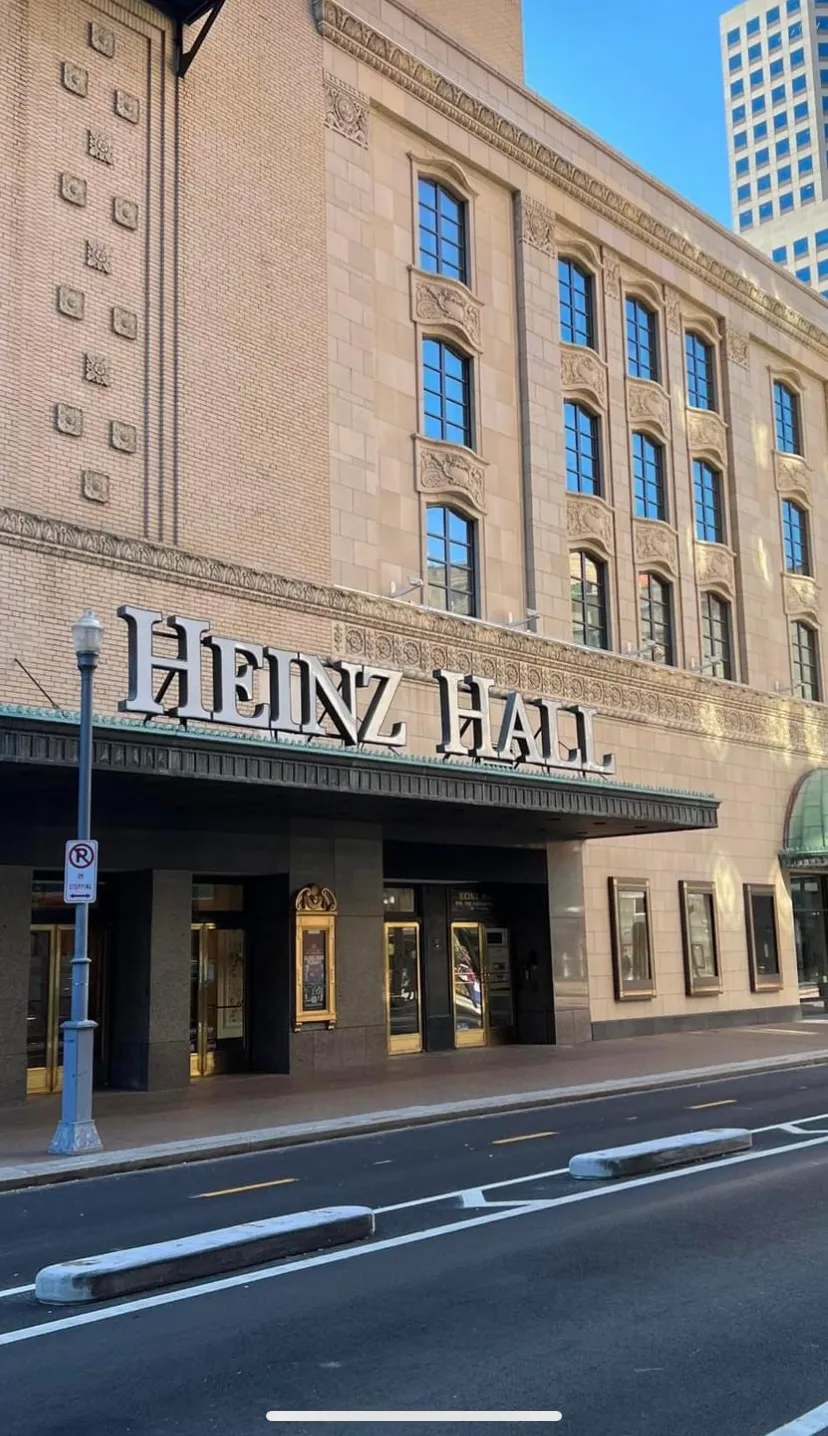
Our Pittsburgh tuckpointing services address one of the most critical maintenance needs for any masonry building: the condition of the mortar joints. When mortar deteriorates, it opens the door to moisture, freeze-thaw damage, and accelerating structural issues. We help property owners catch and correct these problems before they become costly repairs.
How Tuckpointing Protects Your Building
Mortar joints are the first line of defense in any brick or stone wall. They absorb movement, shed water, and hold the masonry units in place. When they fail, the entire wall system becomes vulnerable. Tuckpointing removes the weak mortar and replaces it with new material that restores the joint's performance.
When to Schedule Tuckpointing
- Mortar is cracking, crumbling, or missing
- Joints are receding more than 1/4 inch behind the brick face
- Water is getting through the wall
- Efflorescence keeps appearing on the surface
- Previous tuckpointing repairs have failed
- The building is due for scheduled maintenance
Our Approach
We don't just fill joints -- we evaluate the existing mortar, determine the right replacement composition, remove damaged material to the proper depth, and install new mortar with correct tooling and profiles. This is especially important on older buildings where using the wrong mortar can damage the surrounding brick or stone.
Why Choose Us for Pittsburgh Tuckpointing
- Over 100 years of hands-on masonry experience
- Mortar analysis and compatibility assessment
- Detail-focused joint work and clean finishing
- Residential and commercial capabilities
- Woman-owned, WBENC-certified business
Signs You May Need Pittsburgh Tuckpointing
Mortar damage doesn't always show up all at once, and the early signs are easy to miss. Beyond the cracking and missing mortar covered above, watch for joints that look washed out or pushed back from the brick face, loose mortar collecting at the base of a wall, or small gaps opening up between individual bricks or stones. Flaking or spalling brick near a damaged joint is another sign that water has already worked its way behind the mortar, and the same goes for a draft or an occasional leak near an exterior wall. None of these problems are dramatic on their own, but they tend to get worse the longer they're left alone. If you're noticing any of them, it's worth scheduling an estimate before the next freeze-thaw cycle pushes the damage further into the wall.
Pittsburgh Tuckpointing for Brick and Stone Masonry
Tuckpointing works differently depending on the masonry it's protecting. Brick and stone don't behave the same way under stress, and older buildings often call for a different mortar mix than newer construction. Before we start any repair, we look at the material, the age of the structure, and the condition of the surrounding wall so the new mortar performs the way it should. We tuckpoint brick facades, stone walls, chimneys, parapets, and entry columns, along with mortar joints on historic exteriors and larger commercial and multi-unit buildings, matching our approach to the material in front of us rather than treating every wall the same way. The goal on every project is the same: protect the wall system while keeping the finished joints looking clean and consistent with the rest of the masonry.
What Our Pittsburgh Tuckpointing Services Include
Every tuckpointing project follows the same basic process, adjusted to fit the scope of the damage:
- Inspection of mortar joint deterioration
- Removal of loose or failing mortar to the proper depth
- Mortar selected and matched for color and composition
- Spot repairs for isolated damage, or full repointing for larger projects
- Joint repair around chimneys, parapets, and wall transitions
- Recommendations for related repairs when we find them during the work
Pittsburgh Tuckpointing and Moisture Protection
Mortar joints are usually the first place water finds its way into a masonry wall, so keeping them in good repair is one of the most effective ways to protect the whole structure. Once water gets in behind failing mortar, it can lead to freeze-thaw cracking outside and moisture problems on the inside of the building. Depending on what we find during the inspection, tuckpointing is often paired with crack repair, joint sealing at window and door transitions, or masonry cleaning, so the wall gets more complete protection instead of a single, isolated fix. Addressing mortar early is one of the most reliable ways to keep a small problem from becoming a much larger, more expensive one.
Pittsburgh Tuckpointing for Residential and Commercial Properties
We tuckpoint everything from a single chimney on a home to a full facade on a commercial or multi-unit building. Homeowners, property managers, and commercial owners all get the same attention to detail, whether the job is a quick spot repair or a larger restoration project. We also work with institutional and mixed-use properties where the mortar has aged well past what a surface patch could fix, and with property managers who need a team that can be counted on to show up and communicate clearly from the estimate through the finished work.
A Woman-Owned Business for Pittsburgh Tuckpointing
As a woman-owned, WBENC-certified business, we bring the same standard of care and communication to every tuckpointing project, regardless of size. That means honest recommendations about what your masonry actually needs, clean and consistent joint work, and a team that treats your property the way we'd want our own treated. Property owners tell us that clear communication matters just as much as the quality of the repair, and we build our process around both. Whether we're working on a single home or a portfolio of commercial buildings, we want the people who hire us to feel confident about who is on their property, what the work involves, and why we're recommending it.
Pittsburgh Tuckpointing for Historic Masonry
Older buildings need a more careful approach to tuckpointing. Historic brick and stone can be damaged by a mortar mix that's too hard or joint work that doesn't match the original profile, so we pay close attention to compatibility and the building's existing character before starting any repair. The goal on a historic property is to restore the mortar joints protecting the wall without changing the look that makes the building worth preserving in the first place. That approach matters most on older structures, where a mismatched repair can stand out for years instead of blending in. We work with a restoration-first mindset on these buildings, so the repair supports the life of the structure instead of creating new problems down the road.