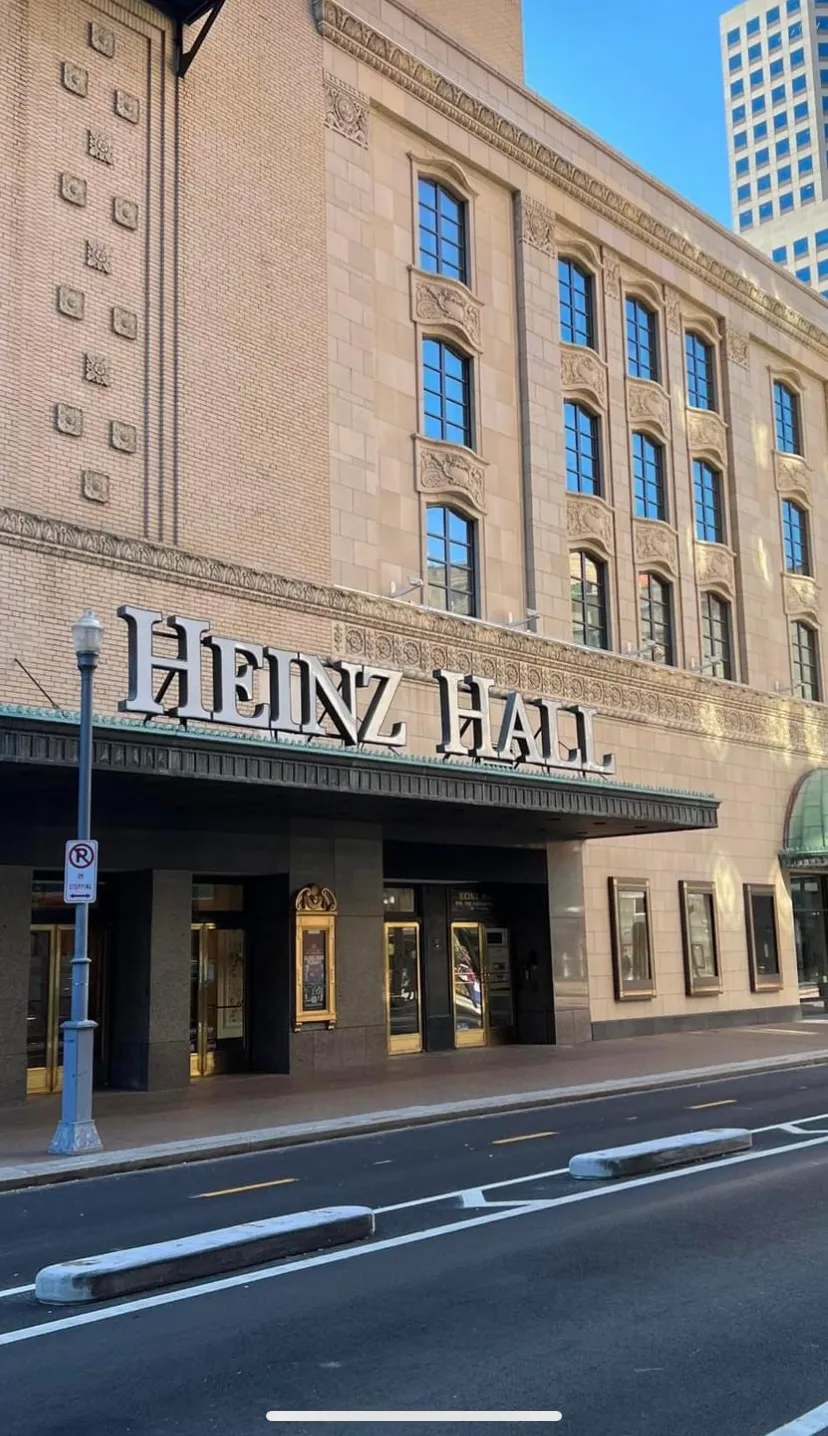
Our Pittsburgh grout injection service helps fill unseen gaps to support weakened areas, reduce ongoing movement, and protect your structure from moisture-related damage. As a woman-owned restoration company with deep Pittsburgh roots, Graciano brings careful evaluation, clear communication, and craftsmanship that respects residential, commercial, and historic properties.
When Grout Injection Makes Sense
Cracks, shifting, and moisture problems can feel confusing because the visible damage isn't always the real source. A surface may look mostly fine while something underneath is weakening -- voids behind masonry, gaps beneath concrete, or empty pockets where water has washed material away over time. Grout injection addresses these hidden problems.
Signs You May Need Grout Injection
- Hollow-sounding masonry, stone, or concrete when tapped
- Cracks that keep returning even after repair
- Uneven slabs, settled sections, or shifting surfaces
- Loose masonry units or movement around transitions
- Water intrusion or recurring moisture issues
- Bulging, separation, or worsening deterioration
Where Grout Injection Is Applied
- Masonry walls and facades where voids form behind the surface
- Stone installations where support loss threatens integrity
- Concrete slabs and structural elements showing settlement
- Basement areas with underlying voids or gaps
- Historic structures where preservation is a priority
- Parking and high-traffic areas where stability affects safety
Grout Injection vs. Surface Repairs
Surface patches and cosmetic repairs often fail because they don't address the empty space behind or beneath the problem. If the void is still there, the crack will come back, the surface will keep moving, and moisture will find a way through. Grout injection addresses the root cause, not just the symptom. If your property has been repaired before and the same issues keep coming back, it is worth looking deeper. Grout injection is frequently considered when the evidence suggests empty pockets, separation behind materials, or settlement that is causing recurring damage, so you are investing in real stability rather than repainting over the same underlying problem every single year.
Pittsburgh Grout Injection for Voids Behind Masonry and Stone
Masonry and stone installations can develop hidden voids over time. Water infiltration, aging mortar, settlement, vibration, and seasonal movement can all contribute to separation behind surfaces, and you might notice loose areas, shifting, cracking around joints, or sections that sound hollow when tapped. Grout injection is often used to fill those voids and support the material so it is less likely to keep moving or deteriorating. Because the damage is happening behind the visible surface, it is easy to underestimate how far it has spread until a section becomes loose or a joint begins to fail outright. This matters even more on structures where brick, stone, terra cotta, or tile details are part of the building's character. When historic masonry begins to lose support behind the face, the damage can spread, leading to bulging and cracking if it is ignored. Grout injection can be a practical step toward stabilization when the goal is preservation and long-term performance rather than a quick cosmetic fix.
Why Pittsburgh's Freeze-Thaw Climate Makes Void Repair Urgent
In Pittsburgh, age and weather are real factors in how quickly a small void becomes a large problem. Freeze-thaw cycles can accelerate deterioration once water finds space to expand, and a void that seems minor in the fall can widen considerably by spring. Grout injection helps reduce that risk by filling spaces where moisture can travel and where movement can intensify, which is part of why it is so often paired with restoration-minded thinking rather than treated as a one-time patch. For many Pittsburgh properties, especially older buildings or structures exposed to repeated freeze-thaw cycles, grout injection is a practical way to protect what you have built without unnecessary demolition or constant patch repairs that never quite hold through another winter.
Pittsburgh Grout Injection for Settling Concrete and Structural Support
Concrete does not always fail because it is weak. Often the problem is what is happening underneath or behind it. Soil washout, drainage issues, void formation, and long-term settlement can create gaps that leave concrete unsupported, and that is when you may see sinking slabs, uneven walkways, cracked sections, or areas that feel unstable underfoot even though the surface concrete itself looks intact. Grout injection can be used in situations where filling voids and restoring support helps reduce movement and protects the surrounding surfaces from further damage. When those voids are left unaddressed, the results tend to show up as uneven surfaces, deteriorating joints, recurring cracks, loose finishes, or water pathways that keep causing damage over time. If you have already tried patching cracks repeatedly, it can feel like you are fighting symptoms instead of solving the root issue. Grout injection focuses on stabilizing the structure by addressing the empty space that contributes to movement in the first place, rather than making the surface look better for a week and leaving the underlying cause untouched.
Pittsburgh Grout Injection for Historic Preservation and Long-Term Value
If you own or manage a historic property, restoration is not the same as a standard repair, and legacy materials should not be treated like disposable surfaces. Grout injection can be especially valuable in historic settings because it can help stabilize voids behind significant installations without requiring unnecessary tear-out that compromises original character. For owners of residential and commercial properties, the value is just as real. When you stabilize the underlying issue, you reduce the likelihood of escalating repair costs, including water damage, spalling, and worsening cracks that can follow one after another. Grout injection can be part of a proactive approach that protects property value and reduces maintenance headaches over time, especially on older properties where repeated patch repairs have already been tried without much success.
Pittsburgh Grout Injection for Residential and Commercial Properties
Homeowners dealing with a settling foundation or a hollow-sounding basement wall generally want the same thing commercial property managers want: a repair that actually addresses what is really happening underneath, not just a patch that buys a season or two. For a residential property, grout injection can stabilize the structure without the cost, mess, and disruption of a full excavation or a complete rebuild. For commercial and multi-unit properties, the value shows up in reduced maintenance calls and fewer repeat repairs, since a stabilized void is far less likely to reopen the same crack or settlement issue six months later, which keeps tenants, staff, and visitors from noticing recurring problems in the first place. Either way, the goal is the same: fill the space that is actually causing the movement, so the visible symptoms stop coming back and the structure holds steady for years rather than months.
A Woman-Owned Restoration Team You Can Trust With Pittsburgh Grout Injection
Stabilization work requires trust because it is not always obvious what is happening beneath the surface. You deserve a contractor who communicates clearly, evaluates carefully, and treats your property like it truly matters, because it does. Graciano is proud to be a woman-owned business, and we bring a level of care, follow-through, and detail-focused restoration workmanship that clients appreciate across Pittsburgh and the surrounding region. When you choose us for grout injection, you are getting a team that understands more than one material. Many structures involve brick, stone, tile, terra cotta, and concrete all working together, and we approach stabilization with the full system in mind so the repair supports the structure and respects every surrounding installation. If you are seeing signs of movement, voids, or surfaces that feel hollow or unstable, grout injection may be the right restoration solution to fill hidden voids and protect your home or building from continued deterioration, especially given Pittsburgh's demanding weather conditions.