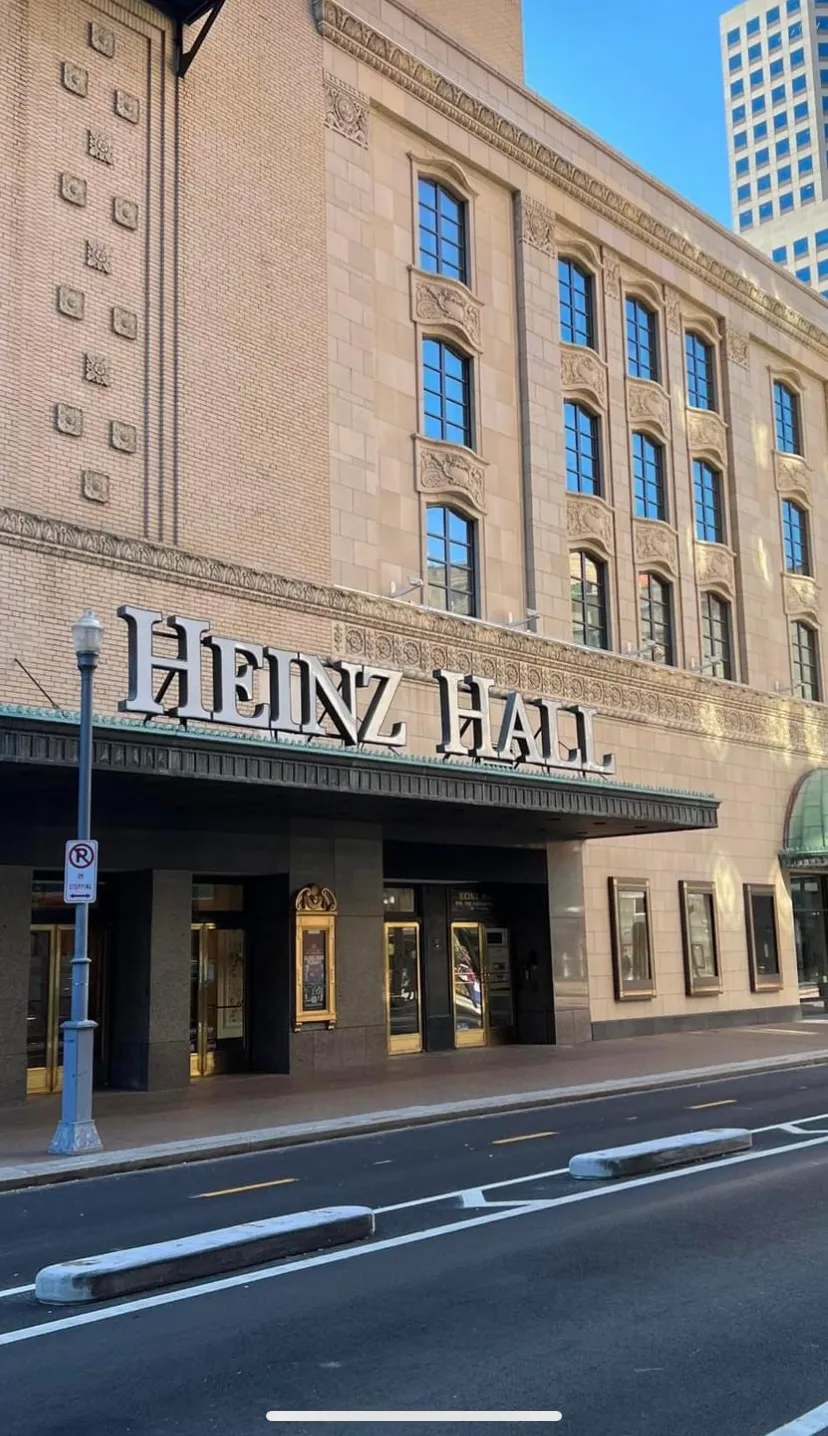
Our Pittsburgh Guastavino tile repair and restoration services are designed to address deterioration, moisture-related damage, and aging joints while preserving the beauty of these distinctive vaulted tile assemblies. As a woman-owned business, we take pride in detail-focused workmanship, clear communication, and restoration work that respects the history of your building.
What Are Guastavino Tile Systems?
Guastavino tile is a specialized historic tile-vault system known for thin structural tiles set in layers of mortar to create elegant arches, vaults, and ceilings in major American buildings. The system was developed by the Guastavino company and became widely used in the late 19th and early 20th centuries for large public and civic spaces.
Common Issues We Address
- Cracked tiles or fractured areas
- Loose or delaminating sections
- Deteriorated mortar joints
- Moisture staining or discoloration
- Efflorescence or mineral deposits
- Previous repairs that are mismatched or failing
- Joint and transition failures near adjoining materials
Our Restoration Services
What We Provide
- Condition assessment and restoration planning
- Crack repair and stabilization
- Mortar joint repair and repointing
- Tile repair and selective replacement
- Moisture-damage repair and mitigation
- Cleaning and surface restoration
- Joint sealing and transition repairs
Why Specialized Expertise Matters
Guastavino tile systems are structurally complex. The tiles carry loads through compression across the vault, meaning repairs must respect the structural behavior of the system -- not just the surface appearance. Using inappropriate materials or methods can compromise both the aesthetic and structural integrity. Our team understands these systems and approaches every project with preservation-first principles.
How Guastavino Tile Deteriorates Over Time
Guastavino tile systems can show signs of wear from age, moisture intrusion, movement in the surrounding structure, and past repairs. In many historic buildings, the visible surface damage is only part of the issue, since open joints, failed sealants, or moisture infiltration from above the vault can keep driving deterioration if they are not addressed. Identifying the underlying cause matters as much as fixing what is visible on the surface. Addressing these issues early helps preserve more of the original tile and reduces the risk of a larger restoration project later.
Preserving Structural Performance During Restoration
Guastavino tile vaults carry structural load through compression across the curve of the vault, which sets them apart from a typical decorative tile ceiling. A repair that only addresses the visible surface without accounting for how the vault carries that load can create new stress points elsewhere in the assembly. Every crack repair, joint repair, or tile replacement we perform on a Guastavino system is planned around that structural behavior as well as the finished appearance.
Selective Tile Replacement and Repair
A damaged section does not always call for a full area to be removed and rebuilt. When damage is limited to a small area, selective tile repair and replacement lets us address the compromised section while keeping the surrounding original tile and mortar in place. This approach preserves more of the historic material and helps avoid the mismatched look that can come from earlier repairs done with incompatible tile or mortar.
Signs You May Need Guastavino Tile Repair & Restoration
If your building has Guastavino tile ceilings, vaults, or arches, these are some signs it may be time to schedule an inspection.
- Cracks in tile or mortar joints
- Loose or hollow-sounding tile areas
- Water stains or discoloration on vaulted surfaces
- Efflorescence or residue on the tile face
- Visible joint failure or separation
- Previous repairs that are mismatched or deteriorating
- Ongoing moisture issues near the tiled vault or ceiling
Mortar Joint Repair and Repointing for Guastavino Tile
Joint deterioration is a major concern in many Guastavino tile restoration projects. Open or failing joints can allow moisture to move into the assembly, which can lead to staining, tile damage, and progressive deterioration of the surrounding vault. Repointing and joint repair restore the integrity of the visible tile surface and support the overall performance of the system. As with other historic masonry restoration, material compatibility matters, and the goal is to use repair methods and materials that fit the condition and character of the original work rather than a generic patch. Proper joint repair reduces moisture intrusion, protects adjacent tiles and finishes, improves long-term durability, and preserves the appearance of the vaulted system.
Moisture Issues in Guastavino Tile Systems
Moisture is often one of the biggest drivers of deterioration in historic vaulted tile systems. Even a small leak or a failed transition above the tile can lead to staining, weakened joints, and repeated damage over time. Our restoration approach looks beyond the surface damage to evaluate likely moisture entry points and surrounding conditions, so the repairs are not purely cosmetic. Depending on the project, that can include repairing open joints, sealing transitions at adjoining materials, addressing moisture-related staining and deterioration, and coordinating restoration around leak-prone areas above the vault. This restoration-first approach helps preserve the original tile system while improving its long-term performance.
Cleaning and Surface Preservation for Guastavino Tile
Historic tile surfaces should be cleaned carefully. Aggressive methods can damage the finish, alter the appearance, or cause unnecessary wear to original materials, and the right cleaning approach depends on the condition of the tile, the type of staining, and the age of the assembly. As part of our restoration services, we use a condition-based approach to cleaning and surface care, with the goal of improving appearance while preserving the historic character of the tile.
A Woman-Owned Business for Pittsburgh Guastavino Tile Repair & Restoration
Historic restoration work requires trust, especially when a building includes specialized architectural features like Guastavino tile vaults or ceilings. Property owners need a team that understands the importance of preservation, communicates clearly, and treats the work with care. As a certified Women's Business Enterprise, we bring a strong commitment to craftsmanship, accountability, and detail to every Guastavino tile project we take on. These assemblies are more than decorative finishes. They are part of the building's history and identity, and our goal is to help protect that history while addressing the repairs needed to preserve it.
Why Property Owners Choose Our Guastavino Tile Services
When property owners need Guastavino tile repair and restoration, they want a team that respects the specialized nature of the work and communicates clearly from start to finish.
- Detail-focused historic restoration workmanship
- A preservation-minded approach to specialized tile systems
- Honest recommendations based on condition
- Clear communication throughout the project
- Careful repair planning for long-term results
- Residential and commercial service options
- A certified Women's Business Enterprise committed to quality and care
We take pride in helping property owners protect and preserve historic architectural features with craftsmanship they can trust, whether the project is a single repair or a full restoration of a vaulted ceiling.
Evaluating a Guastavino Vault or Ceiling Before Repair
Every historic tile-vault project is different, so a thorough assessment comes before any repair recommendation. We look at the condition of the tile, the mortar joints, and the surrounding structure, along with any visible signs of past leaks or repairs. That assessment tells us whether a project needs isolated crack repair and repointing, or a broader restoration plan for a larger section of the vault or ceiling. Because these systems carry structural load through the tile itself, an accurate read on condition matters as much as the visible appearance of the surface, and it is the first step before we put together an estimate or a repair plan.