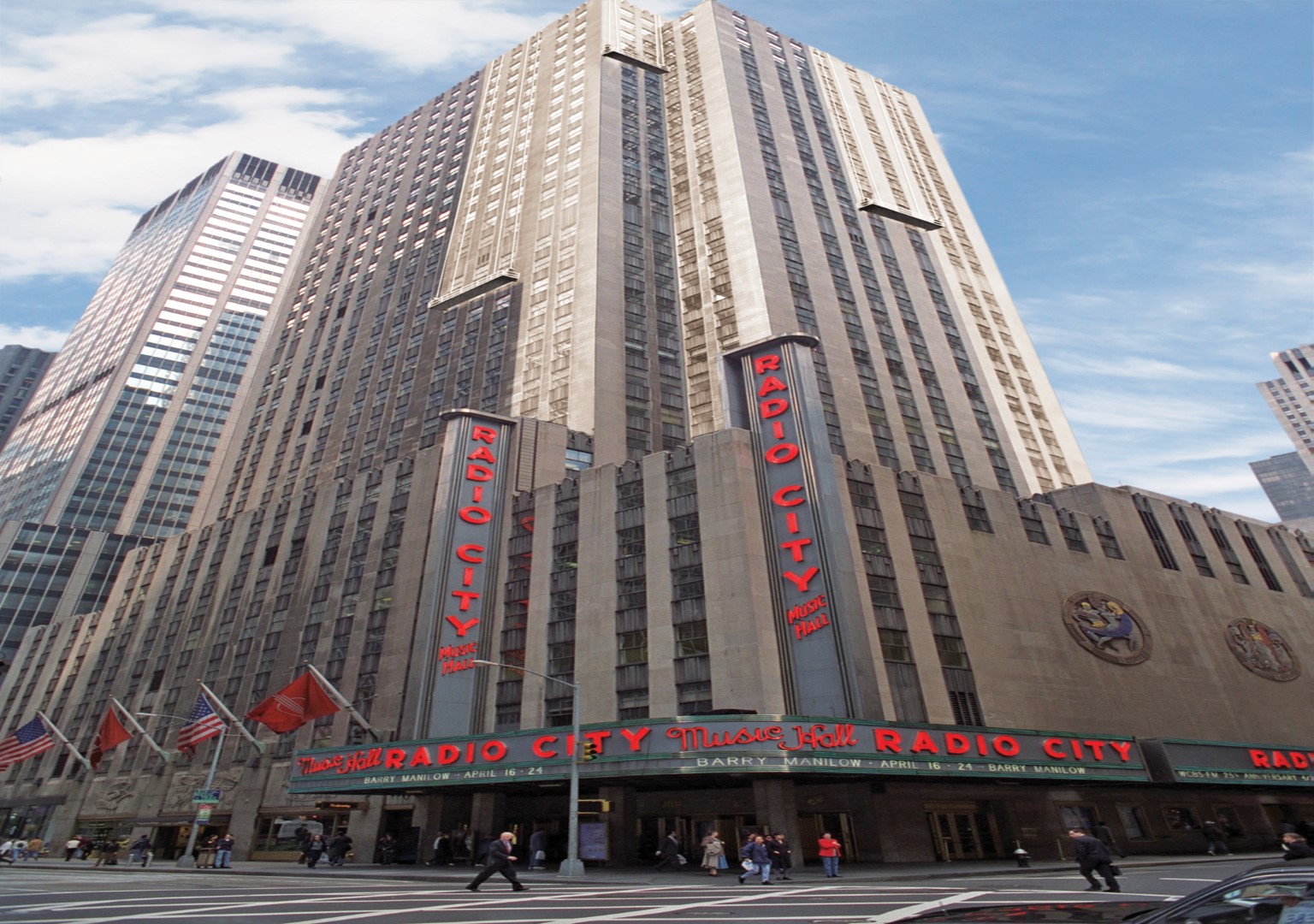
Graciano Corporation has been restoring architectural terra cotta on New York City buildings for generations. New York's building boom of the 1880s through the 1930s produced an extraordinary inventory of terra cotta-clad structures -- from Midtown office towers to Beaux-Arts civic buildings to the ornate apartment buildings of the Upper West Side and the Bronx. This material, prized for its ability to be cast into intricate decorative profiles at relatively low cost, now presents significant preservation and safety challenges across much of the city's pre-war building stock.
Terra Cotta in NYC's Pre-War Building Stock
Architectural terra cotta was installed on New York City buildings in vast quantities during the late 19th and early 20th centuries. The clay units were set with metal anchoring systems and lime-based mortars that are now approaching or well past their design service lives. Water infiltration behind the terra cotta surface is the primary driver of deterioration: moisture cycles cause mortar deterioration, metal anchor corrosion, and the expansion forces that crack and dislodge terra cotta units over time. In New York's landmark districts -- including large portions of Midtown, the Upper West Side, the Upper East Side, and brownstone Brooklyn -- the preservation of these terra cotta facades is both a safety obligation and a cultural stewardship responsibility.
Common Terra Cotta Deficiency Conditions
- Cracked, spalled, or fractured units
- Hollow-sounding areas indicating loss of anchorage or mortar backing
- Displaced or missing units
- Failed or eroded mortar joints between units
- Rust staining from corroding metal anchors
- Efflorescence or water staining on the face
- Previous repair patches that are failing or mismatched
Our Terra Cotta Restoration Services
What We Provide
- Hands-on condition assessment: probing, sounding, and documentation
- Selective repointing of failed mortar joints
- Crack repair and stabilization
- Custom-cast replacement unit fabrication coordination for missing or severely damaged sections
- Dutchman repairs using matching clay or compatible repair mortars
- Metal anchor evaluation and replacement where required
- Cleaning and protective consolidant application
- Landmark and historic preservation compliance documentation
Local Law 11 and Terra Cotta
FISP (Local Law 11) inspections routinely identify terra cotta conditions as UNSAFE or SWARMP, particularly on Manhattan's pre-war office and residential towers. Loose, displaced, or structurally compromised terra cotta units present a direct falling-hazard risk to pedestrians and must be addressed within the timeframes FISP requires. Graciano's team is experienced in the emergency stabilization and permanent repair work that resolves FISP findings involving terra cotta.
Why Choose Graciano for New York Terra Cotta Restoration
- Decades of hands-on terra cotta restoration experience in New York City
- Experience restoring Heinz Hall and other major historic terra cotta structures
- Familiar with NYC Landmarks Preservation Commission requirements
- FISP-experienced: from emergency shielding through permanent restoration
- WBENC-certified Woman Business Enterprise
- Offices in Pittsburgh PA, New York NY, and Florida