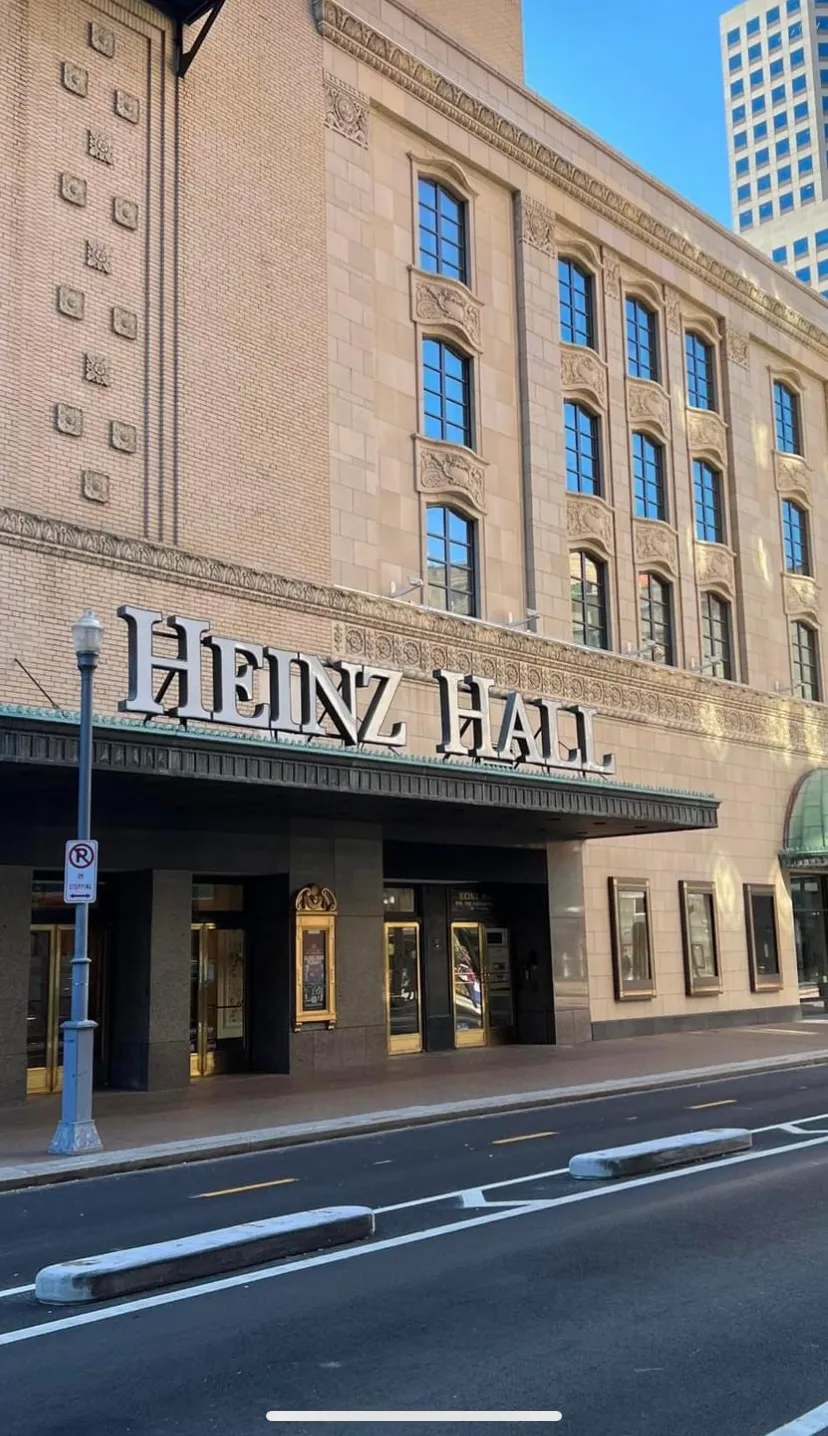
Our Pittsburgh brick tuckpointing services are designed to remove deteriorated mortar and replace it with properly matched new mortar that restores the strength and weather resistance of your masonry walls. As a woman-owned business with over a century of experience, we take pride in careful workmanship and honest communication on every project.
Why Tuckpointing Matters in Pittsburgh
Mortar joints are designed to be the sacrificial element in a masonry wall. Over time, they wear down from moisture, freeze-thaw cycles, and exposure. When mortar joints fail, water enters the wall system and can cause damage to the brick, the structure behind the wall, and the interior of the building.
In Pittsburgh, where buildings face heavy seasonal weather swings, failed mortar joints are one of the most common sources of water intrusion and masonry deterioration. Tuckpointing addresses this by carefully removing the damaged mortar and installing new mortar that matches the original in composition, color, and joint profile.
Our Tuckpointing Process
- Evaluate the condition of existing mortar joints
- Remove deteriorated mortar to an appropriate depth
- Select mortar that is compatible with the existing masonry
- Install new mortar with proper tooling and joint profiles
- Clean the finished work for a professional appearance
Signs You Need Tuckpointing
- Mortar joints that are cracked, crumbling, or receding
- Gaps visible between bricks
- Water staining on interior or exterior walls
- Efflorescence (white residue) on masonry surfaces
- Loose bricks or sections that feel unstable
- Previous repairs that are failing or mismatched
Residential and Commercial Tuckpointing
Whether it's a single chimney repair on a residential home or a full facade repointing on a commercial building, our tuckpointing services are scaled to fit your project. We work with homeowners, property managers, building owners, and institutional facilities across the Pittsburgh area.
What Tuckpointing Actually Does
Tuckpointing means removing the mortar that has failed and replacing it with new mortar chosen to suit the wall it's going into. Done right, it restores the wall's structural integrity, improves how well it resists weather, and cleans up the look of the brickwork without changing the character of the building. That takes more than smearing new material over old damage. The joints need to be cut out to the right depth, the new mortar needs to be handled correctly, and the finished profile needs to match what's already there. That level of care matters most on older homes, historic buildings, mixed-use properties, and commercial structures, where both appearance and long-term performance are on the line and a rushed repair is easy to spot years later.
Signs It May Be Time for Brick Tuckpointing
A few signs tend to show up before a mortar problem becomes a real headache. Joints may look cracked, recessed, loose, or uneven. You might notice pieces of mortar sitting on the ground near the wall, or bricks that feel less secure than they used to. Staining, moisture-related wear, white residue on the surface, or flaking brick faces can also point to a masonry issue worth having looked at. Some owners wait because the damage doesn't feel urgent yet, which is understandable, but mortar failure tends to grow over time rather than correct itself on its own. What starts as a repair in a couple of spots can turn into a much larger restoration project if the wall keeps taking on water. Addressing brick tuckpointing early, while the damage is still contained, is usually the difference between a straightforward repair and a much bigger one.
A Better Fit for Homes, Commercial Properties, and Older Buildings
Not every property needs the same repair. A residential chimney, a brick row house, a school, and a commercial facade can all be in different condition, built from different materials, with different priorities for the work. That's one reason brick tuckpointing should never be treated as a one-size-fits-all service. We look at the condition of the masonry, figure out where the joints are actually failing, and recommend work that fits the structure instead of pushing a generic fix. Some projects only need tuckpointing in a few isolated spots. Others need a broader restoration plan because the mortar failure is part of a larger moisture issue. Either way, the work should be thoughtful, clean, and built around how the wall performs over time, not around whatever repair happens to be fastest.
The Difference a Restoration-Focused Team Makes
Hiring a contractor for masonry work should get you more than someone who can patch mortar. You want a team that understands how masonry systems age and how to restore them with care. As a woman-owned company, we bring a professional, accountable, detail-driven approach to every tuckpointing project. Communication matters, clean workmanship matters, and respect for the property matters, on a single-family home just as much as on a commercial building. You should know what's being repaired, why it matters, and what the plan is from the start, not be left guessing until the work is finished. That kind of approach matters especially for owners who have dealt with contractors in the past who were hard to reach, vague about the scope, or careless with the finished result. The goal isn't just to complete a job. It's to complete the right repair with a level of care that gives you confidence in the outcome, from the first inspection through the final cleanup.
Protecting Appearance and Structural Performance
Brick tuckpointing works because it supports both form and function at the same time. On the functional side, it closes vulnerable joints, reduces how much moisture gets into the wall, and reinforces the structure behind the brick. On the visual side, it can dramatically improve the look of masonry that has started to appear worn, discolored, or neglected. A wall shouldn't look chopped up or obviously patched after a repair. Tuckpointing should support the character of the masonry while helping it look cleaner and more finished, whether the property is a home or a commercial building. That balance is part of why property owners come back to the same contractor for the next project, whether it's another section of the same building or a different property altogether.
Why Acting Early Is the Smart Move
Waiting rarely makes a masonry repair easier. Mortar joints that are already compromised let in more water during storms, through winter freeze-thaw cycles, and over long stretches of seasonal exposure. The longer those joints stay open, the more likely it is that the materials around them start to deteriorate too. That's why brick tuckpointing is one of the smartest things a property owner can do proactively. It addresses a vulnerable point in the wall before conditions get more expensive and more disruptive to fix. Instead of reacting to a bigger failure later, you can move forward now with a repair that strengthens the building while the problem is still manageable and the scope of work is smaller, which usually means less cost and less disruption to the property and the people using it.